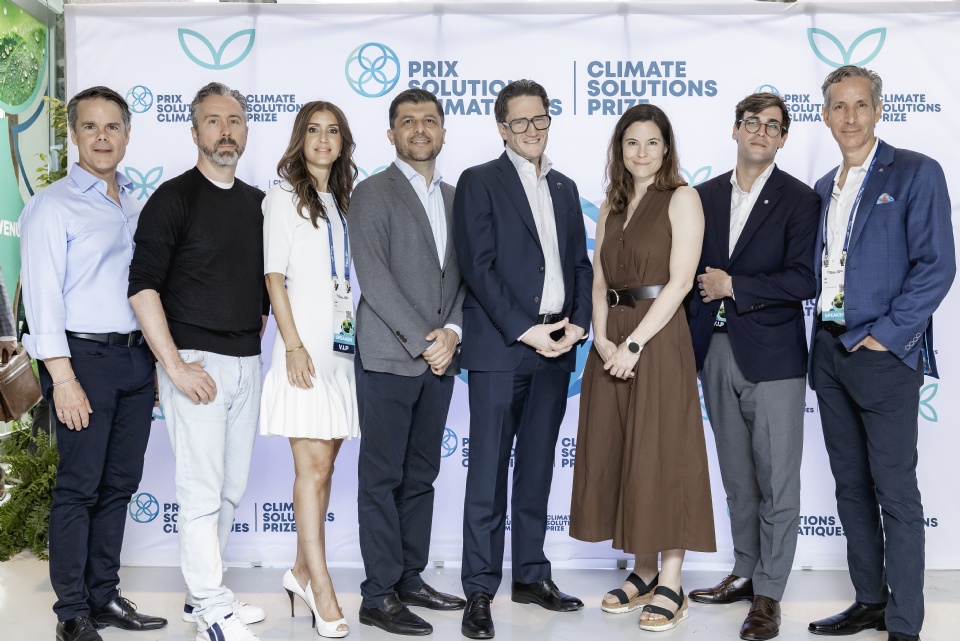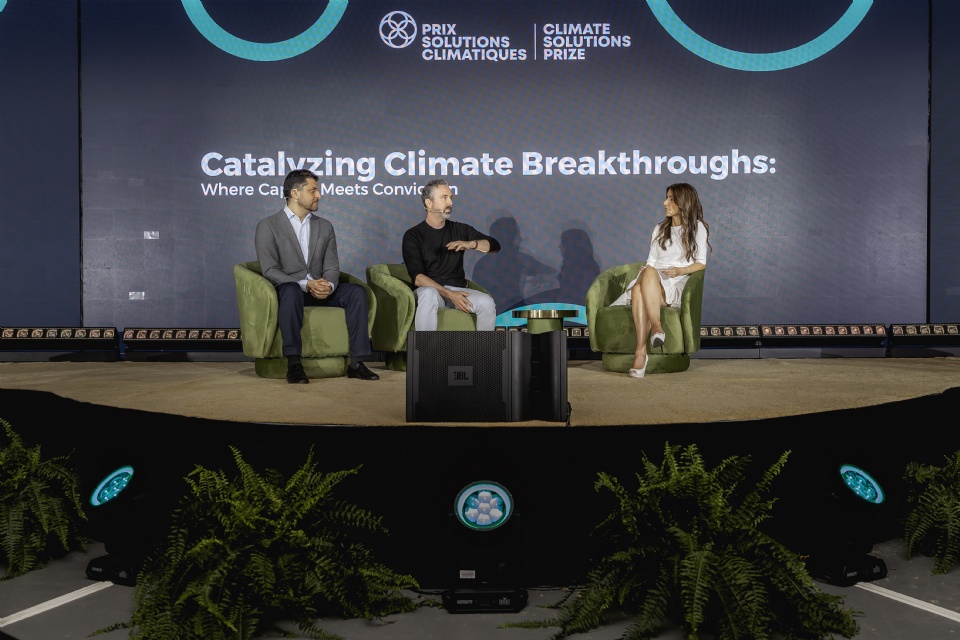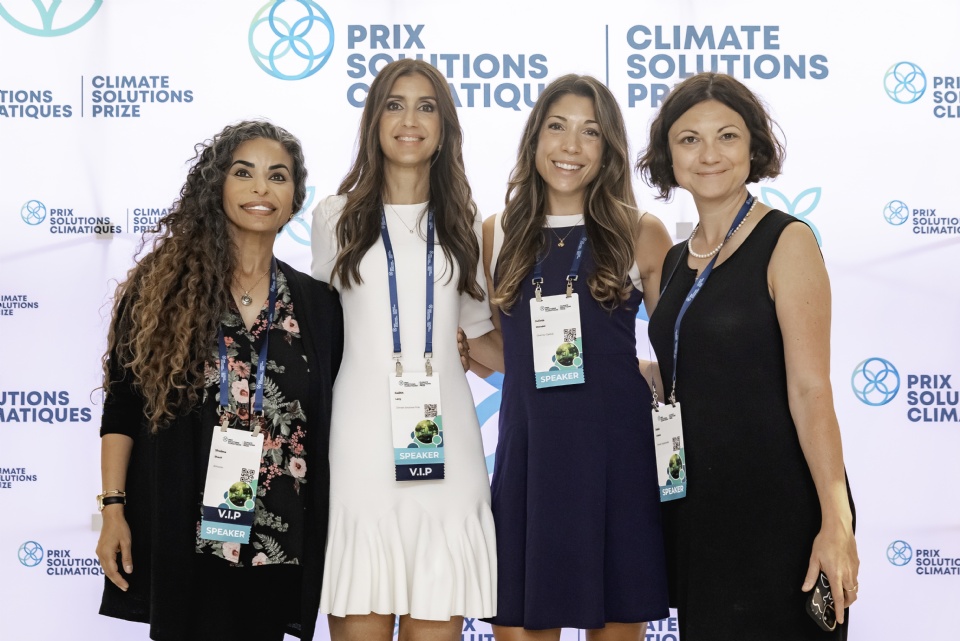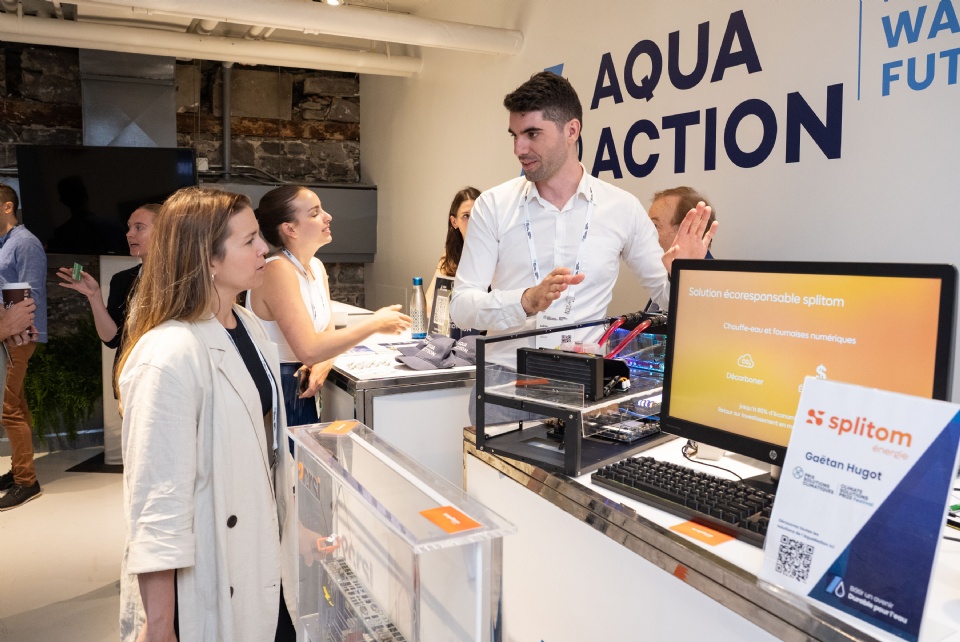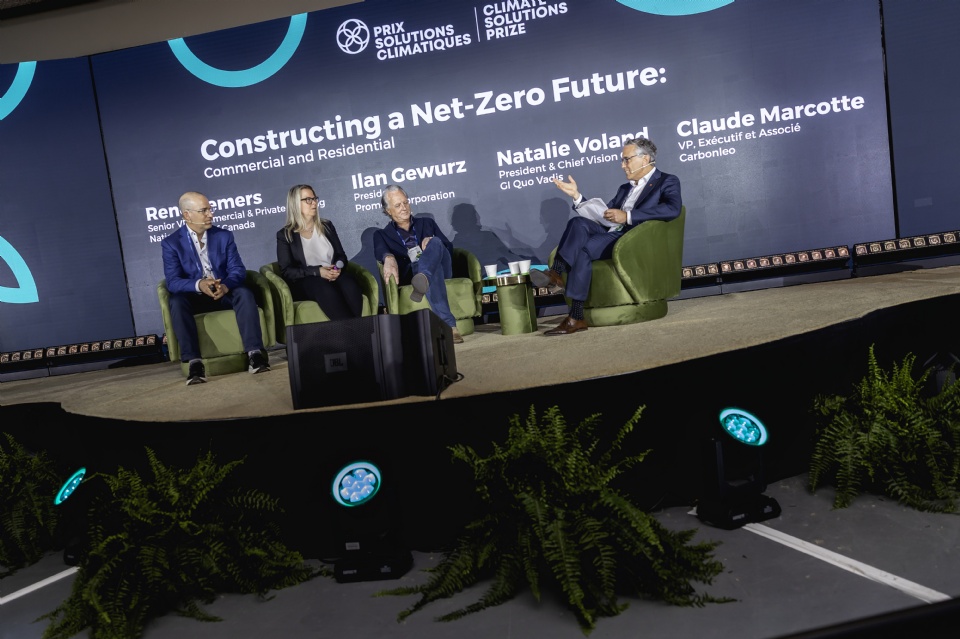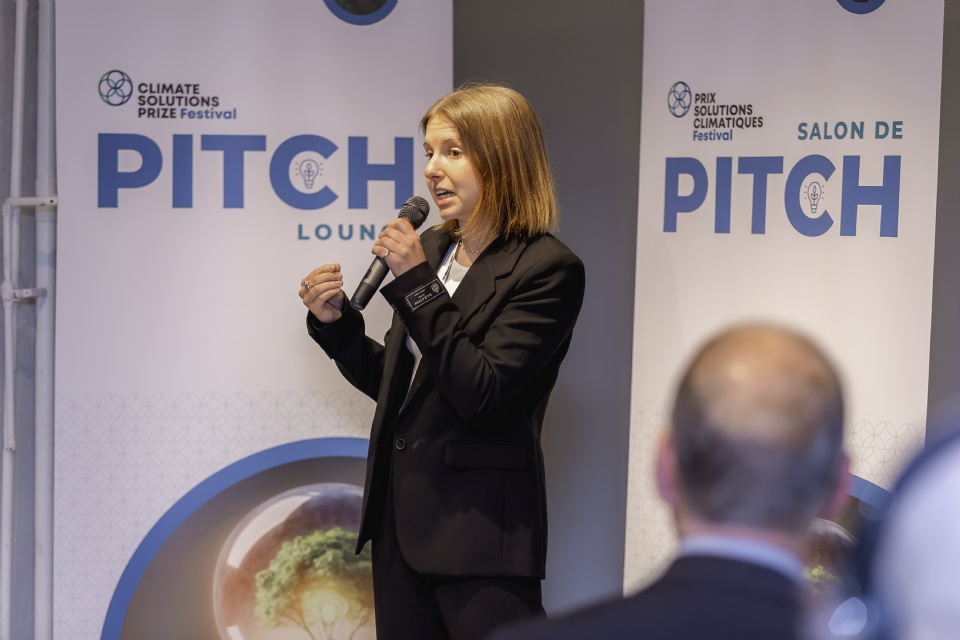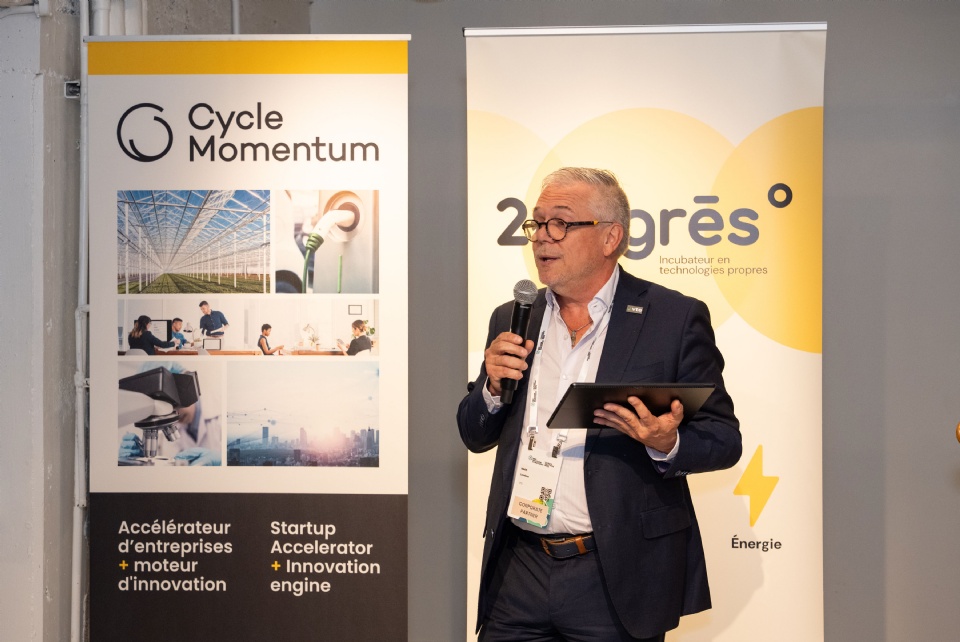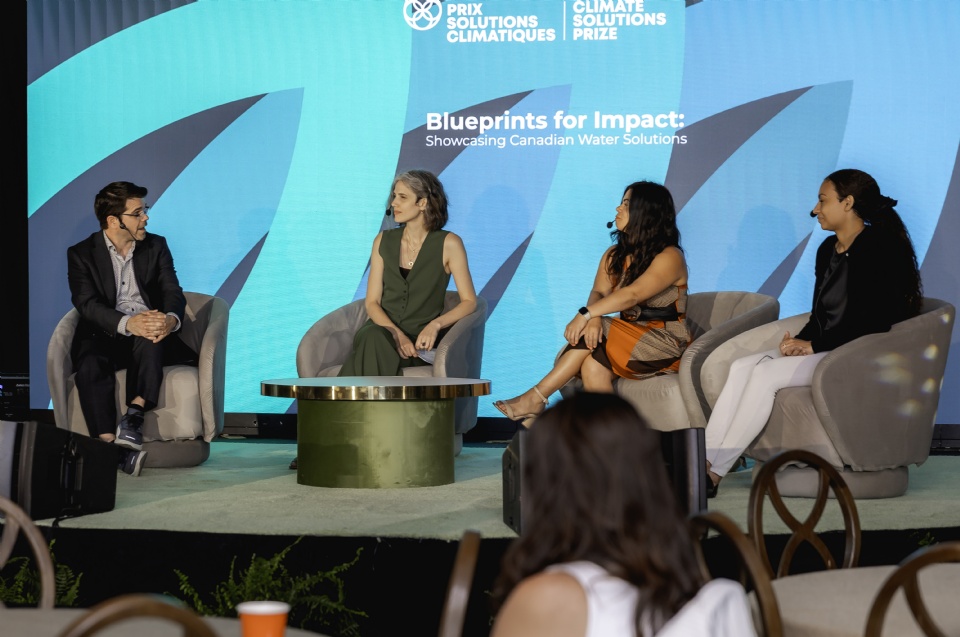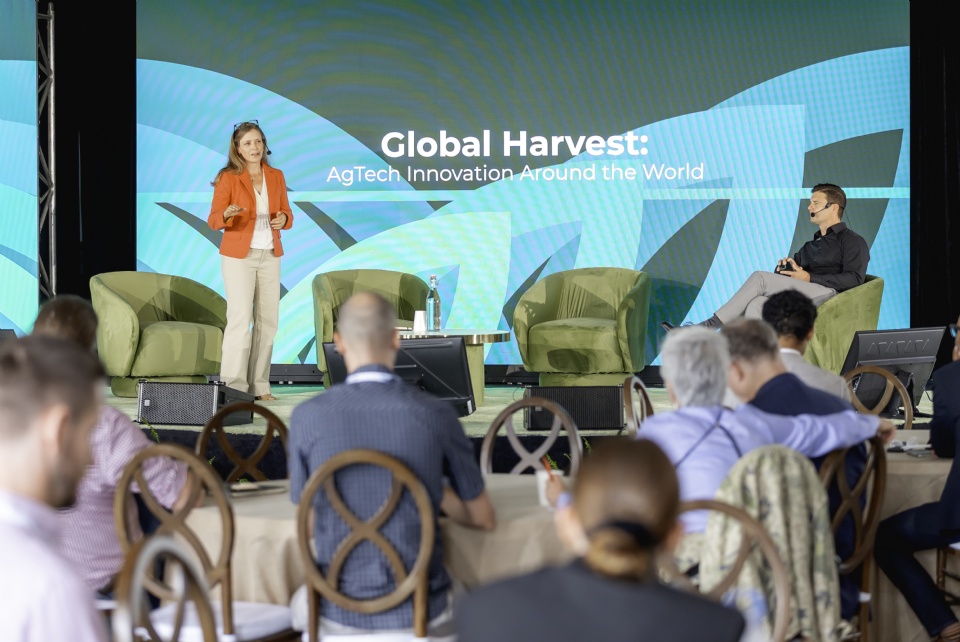

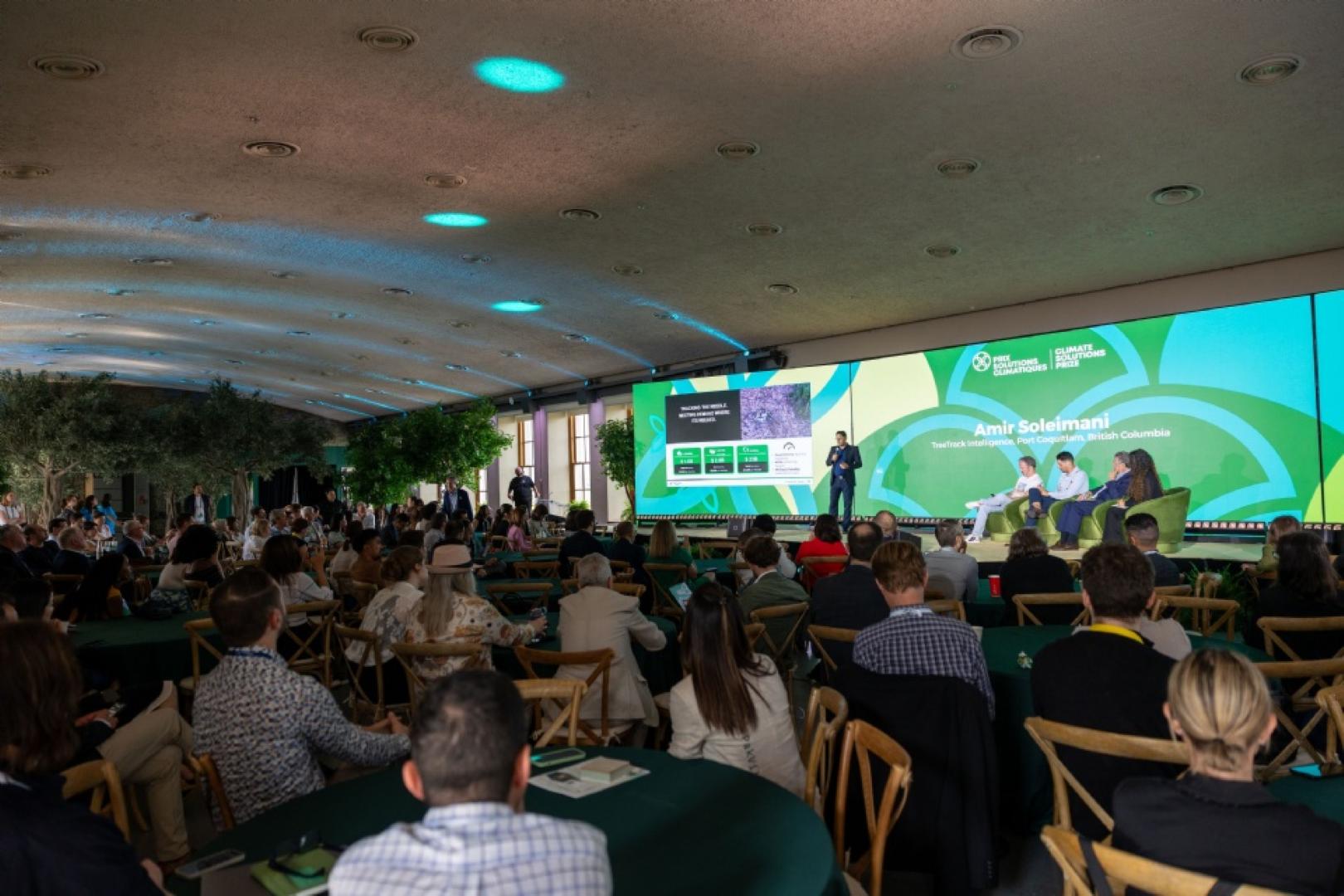
The 2025 Climate Solutions Prize Festival convened global leaders, innovators, investors, and philanthropists in Montréal for two powerful days dedicated to accelerating the world’s most promising climate solutions.
Held at the historic Marché Bonsecours, the Festival brought together founders, corporate partners, policymakers, and ecosystem builders around one shared objective: to identify, validate, and propel breakthrough climate technologies from lab to market.
From built environment to water innovation, agtech, and carbon removal, the Festival showcased the depth and urgency of the climate innovation pipeline. Across high-energy panels, curated investor sessions, and the signature Prize Ceremony, one message was clear: the solutions exist, and catalytic capital can move them faster.

Global cohort of high-impact climate ventures
Hundreds of senior leaders and ecosystem partners convened
Multi-track programming across priority climate verticals
Philanthropic prize capital deployed to de-risk breakthrough solutions
Strong follow-on investor engagement across the finalist pool
The 2025 Festival reinforced CSP’s role as a powerful bridge between innovation and investment, helping the most promising solutions cross the critical early-stage funding gap.
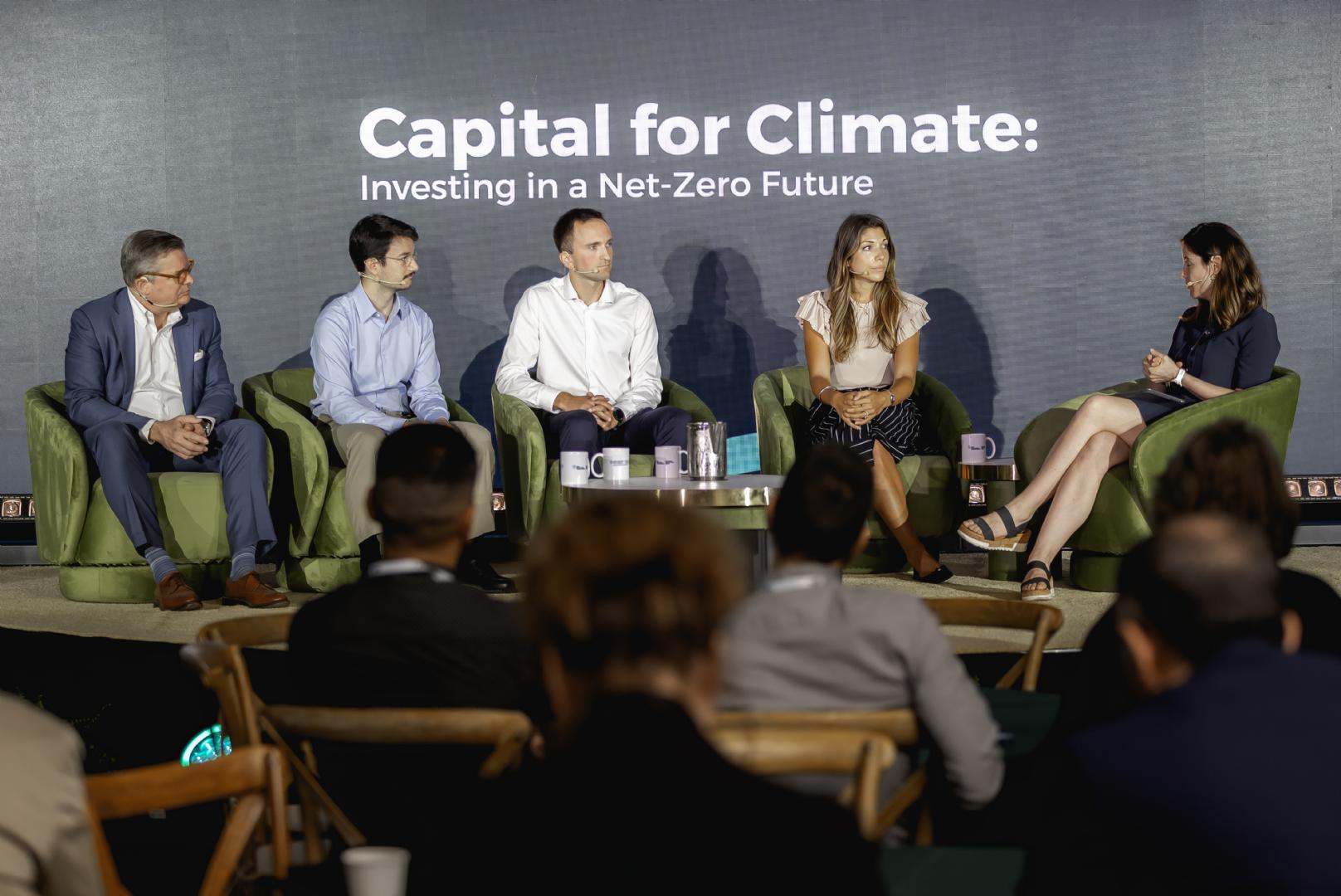
The 2025 Climate Solutions Prize Festival once again demonstrated that the climate innovation engine is strong — but speed and scale now matter more than ever.
Through philanthropic prize capital, strategic visibility, and curated investor access, CSP continues to:
Bridge the early-stage funding gap
De-risk breakthrough technologies
Signal the market toward the most promising solutions
Mobilize follow-on capital at scale
Momentum is building — and the Climate Solutions Prize is doubling down, not slowing down.
Join us in Montréal in June 2026 as we continue to turn climate ambition into climate execution.
Converting CO₂ into stable biocarbon
By converting organic waste into a biochar and bio-oil we are able to create valuable materials for sustainable construction and green infrastructure, all while delivering important downstream greenhouse gas reductions across a number of industries. Our solution is cost effective and practical for communities anywhere in Canada to adopt to manage their organic waste (and landfill methane emissions). With Canada’s vast infrastructure and millions of tonnes of organic waste generated annually, our solution has the potential to scale to the megatonne level, making a real impact on national and global emissions, removing and sequestering atmospheric carbon, and supporting green jobs and sustainable economic growth.

Boosting rivers’ natural ability to absorb carbon dioxide from the air
By safely adding alkaline materials, it reduces acidity in the water, creating healthier conditions for fish and freshwater ecosystems. RAE works with nature, is scalable across many regions, and doesn’t rely on heavy infrastructure. Beyond its environmental benefits, it also creates opportunities for community engagement, education, and green jobs—making it a win for both people and the planet.

Reducing the environmental footprint while improving the efficiency of fishing operations
Bottom trawling is a commercial fishing technique that involves dragging a net along the ocean floor with a boat. The net is held in place with heavy weights, destroying marine habitats such as coral reefs and seagrass beds. By stirring up large amounts of sediment, this practice releases 400 million tons of CO2 annually (half of the aviation industry's emissions). Finally, this practice contributes to the loss of marine biodiversity by destroying ecosystems, hindering their regeneration, and capturing non-target species.
Translated with DeepL.com (free version)
Proactively preventing solar radiation from turning into heat
ChillSkyn’s PolyFrost™ is an innovative nano-structured coating that dramatically reduces cooling energy consumption by reflecting 97.5% of solar radiation and passively emitting heat. Unlike traditional white paints, PolyFrost maintains trailer surfaces 5°C below ambient and has demonstrated up to 23% energy savings in air-conditioned containers.

Growing environmental impact of dairy
Harvest Moon is the first company in Canada using microorganisms to create animal-free casein, the main protein in dairy and the key to unlocking a new generation of plant-based alternatives that taste, function, and nourish just like conventional dairy. Their carbon neutral, circular process uses just a tiny fraction of the resources of conventional dairy, and, because their process is animal-free, they reduce the risk of future pandemics. By combining cutting-edge innovation with a commitment to a better future, they're making dairy without compromise, for people, animals, and the planet.

Using gas and a hot furnace to remove all the contaminants from the graphite
Green Graphites Technologies patented continuous, rapid carbochlorination process, a result of more than 10 years of innovation, produces coated spherical purified graphite (CSPG - > 99.95% pure), a critical ingredient for lithium-ion batteries, from multiple feedstocks. Mined natural flake graphite can be used as a feedstock to produce cost-competitive CSPG (25% reduction vs incumbent hydrofluoric acid based technologies), with a substantially reduced carbon footprint. One 20,000 tpa CSPG production plant in Quebec using GGT’s process would represent a GHG reduction of 109,000 tpa CO2eq, or 82%, compared to the dominant hydrofluoric acid (HF) plants used in China.
Next-gen photovoltaic technology using perovskite materials that are uniquely suited for indoor light
An innovative solar technology based on perovskite materials, enabling efficient energy generation from both indoor and outdoor light. Their photovoltaic modules convert ambient light into electricity, allowing IoT devices to operate remotely without connecting to the grid. These lightweight, flexible, and highly efficient modules meet market demands for sustainable energy solutions, including wearables, smart gadgets, and in-building photovoltaics. Their PVModules eliminate the need for 10 AA batteries per device directly reducing greenhouse gas emissions from battery production.
Turning a problem into a product—better, cleaner, and more efficient
Carbonova has pioneered a cutting-edge chemical process using novel catalysts to produce high-purity Carbon Nanofiber (CNF) through advanced catalytic reactions. This breakthrough technology is not only flexible and scalable but also significantly reduces energy demand and costs compared to traditional methods. Their process stands out for its efficiency, driven by an exothermic reaction, innovative catalyst design, and an integrated waste heat recovery system, resulting in an energy requirement far lower than that of their competitors. Their CNF actively sequesters carbon during its use phase, making it an ideal solution for industries looking to reduce their carbon footprint.