Official Opening Remarks for the 4th Annual Climate Solutions Prize Festival! Join us as we kick off a day of bold ideas, climate innovation, and collective action.





The democratic dilemma of a planet in fast-forward lies in the fact that climate change is accelerating faster than the political systems designed to respond to it. As markets, technologies, and climate risks evolve at unprecedented speed, governments are being pushed to navigate rising public pressure, economic disruption, energy security, and growing polarization all at once. In this timely and candid conversation, we consider whether democratic institutions are capable of delivering climate action at the scale and speed this era demands. From regulation and infrastructure to political courage and public trust, this session examines what leadership will look like in a world where governance is increasingly racing against planetary reality.


This panel will address capital at the edge of its comfort zone as the transition to a climate-resilient economy demands more than breakthrough technologies. It will require a fundamental reinvention of how capital is deployed, scaled, and rewarded. In this high-level discussion, leading investors, operators, and financial leaders examine whether today’s financial systems are equipped to fund the speed and scale of transformation the climate era demands. From institutional capital to catalytic finance, this session explores how investment models must evolve to unlock the next generation of climate solutions and build the industries that will define the future economy.




As climate solutions move from niche innovation to global deployment, the defining challenge is increasingly one of risk. In rapidly evolving and highly scrutinized markets, weak measurement, unreliable data, and unmanaged financial or operational exposure can quickly erode trust and stall progress. Bringing together leaders from Dryad Networks, GHGSat, CHUBB, and Sun Life Financial, this conversation explores how climate leaders assess and navigate the risks tied to scaling emerging solutions, from market volatility and infrastructure uncertainty to verification, accountability, and long-term resilience. This session examines what it will take to build climate solutions that can withstand scrutiny, maintain credibility, and endure at scale.





Take a break, grab lunch, and explore our off-stage activations featuring immersive experiences, interactive demos, networking moments, and hands-on climate innovation showcases happening throughout the festival.

Agriculture is entering a new technological era, where the future of food production will depend as much on data, automation, and intelligent systems as it does on soil, climate, and labour. Advances in robotics, AI, and precision agriculture are transforming farms into connected, adaptive networks capable of responding to growing environmental and economic pressures. Set against the backdrop of climate volatility, resource constraints, and rising global demand, the discussion highlights how technology is reshaping not only how we grow food, but how resilience, efficiency, and sustainability will be defined across the agricultural landscape of the future.



Far beyond a keynote about resources alone, this discussion confronts a deeper reality: in a finite world, resilience may become the ultimate form of diplomacy, and the ability to manage interdependence may determine which societies are able not only to endure disruption, but to lead through it.

The forces shaping the built environment are no longer confined to architecture, construction, or market cycles alone. Climate risk, regulatory transformation, shifting investor expectations, and the growing demand for resilience are fundamentally redefining what gives buildings and infrastructure long-term value. As capital increasingly gravitates toward assets capable of adapting to environmental, social, and economic disruption, the logic driving investment in the built world is beginning to shift. The conversation ultimately questions whether the next generation of value will be defined not simply by growth, but by the capacity to endure, evolve, and remain relevant in an era of accelerating change.




After years of soaring expectations and disruptive ambition, the food tech sector is entering a more mature and consequential phase. What was once an industry defined by rapid growth and bold promises is now adapting to a new era shaped by greater rigor, resilience, and long-term viability. As capital becomes more disciplined and the market demands scalable impact, attention is turning toward the new technologies, investment strategies, and innovation models emerging from this recalibration and why the sector’s next chapter may ultimately prove more durable, credible, and transformative than its first.



Beneath every product, every building, and every global supply chain lies a system built on extraction: materials pulled from the earth, water consumed at massive scale, and waste treated as inevitable. As the limits of that model become increasingly visible, the shift toward a more regenerative future is beginning to reshape how industries think about production, recovery, and long-term value creation. Bringing together perspectives on circular manufacturing, industrial innovation, resource recovery, and sustainable supply chains, this exchange challenges how industries define value, efficiency, and growth in a world where resilience and restoration can no longer be optional.





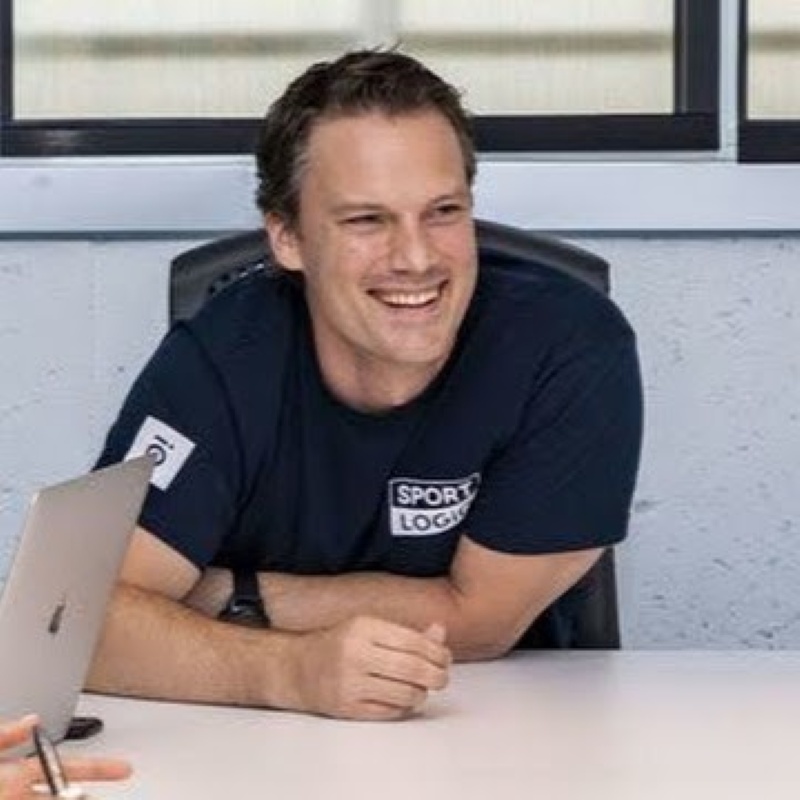
As artificial intelligence becomes embedded within the fabric of cities and infrastructure, buildings are beginning to evolve from static structures into responsive, adaptive systems. This conversation explores how AI is reshaping the built environment through intelligent automation, predictive operations, and data-driven design that can optimize everything from energy use and mobility to occupant experience and urban efficiency. At the intersection of architecture, technology, and systems thinking, the discussion considers how the next urban era may be defined not simply by smarter buildings, but by environments capable of learning, responding, and evolving alongside the people who inhabit them.

The future of food security is being shaped as much by biological innovation as by the accelerating realities of climate disruption. Drought, floods, wildfire, and escalating environmental stress are rapidly redefining the conditions under which agriculture must operate, placing unprecedented pressure on crops and the systems that sustain them. In this shifting landscape, advances in genetics, precision agriculture, and climate-adaptive technologies are transforming the capacity of food systems to endure an increasingly volatile world. Grounded in both scientific innovation and agricultural realities, the conversation considers how resilience itself is being reengineered across the future of farming.

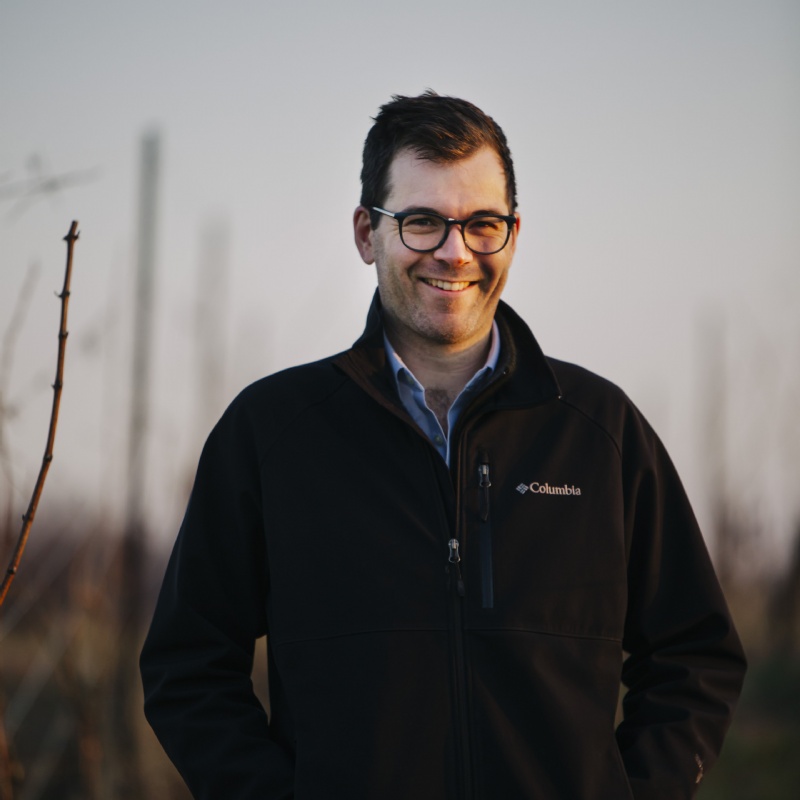



Mining has long been framed as essential to modern life, yet the human and environmental costs behind it are becoming harder to ignore. As demand for critical minerals accelerates alongside the energy transition, questions surrounding responsibility in mining are becoming increasingly urgent when communities, ecosystems, and global supply chains are all at stake. From transparency and accountability to environmental stewardship and the pressures of global demand, attention turns to where responsibility begins, where it fails, and what it takes for the industry to move beyond promises toward practices that can withstand real scrutiny.


Energy and water are often treated as separate systems, yet climate change is exposing just how deeply interconnected they have always been. This panel delves into the growing pressures emerging at the intersection of energy demand, water availability, infrastructure capacity, and climate risk as extreme weather and resource strain intensify across regions. From electricity generation and regulation to watershed resilience and long-term planning, the discussion highlights why the future stability of both systems may depend on understanding them not in isolation, but as part of a single and increasingly vulnerable climate reality.


Agriculture has always evolved alongside civilization, but the pressures shaping this century are demanding something more radical than adaptation alone. Emerging ideas and technologies are redefining what productive, resilient, and sustainable agriculture can look like in a world of shifting climates, constrained resources, and growing demand. From breakthrough growing systems to entirely new ways of thinking about land, inputs, and efficiency, this exchange points toward an agricultural future shaped less by inherited practice and more by the willingness to rethink what is possible.


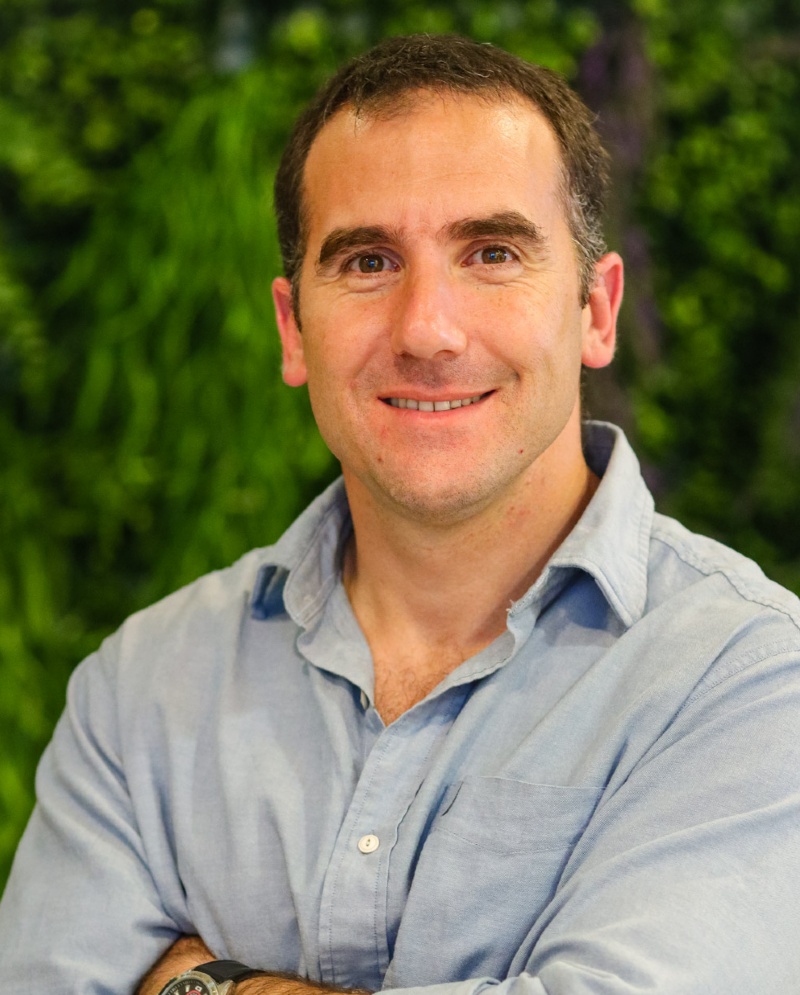


The next era of resources will not belong to the companies that extract the fastest, but to those bold enough to rethink what value, growth, and progress can look like altogether. In this closing conversation, the forces reshaping the global resource economy come into focus, where capital, innovation, and sustainability are no longer competing priorities, but powerful drivers of transformation. From scaling breakthrough technologies to financing regenerative infrastructure and redefining industrial leadership, this session looks beyond incremental change toward the systems, investments, and ideas capable of shaping a more resilient and prosperous future.
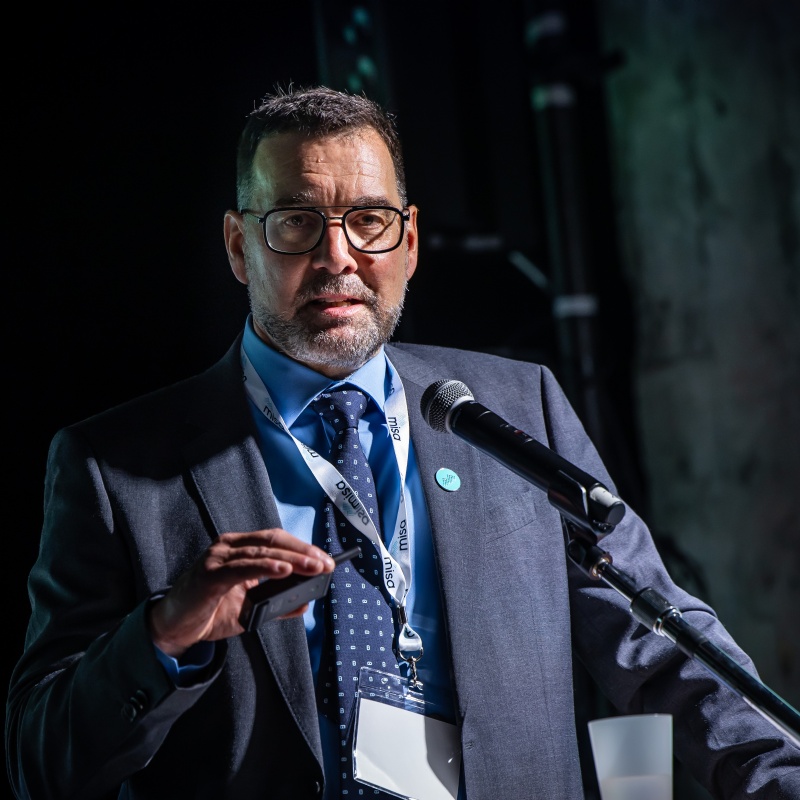



The buildings of the future may not be defined by architecture alone, but by the invisible systems, behaviours, and ecosystems operating within them. The shift toward a new generation of green buildings is rethinking sustainability from the inside out through smarter operations, circular waste systems, biodiversity integration, and tenant-driven behavioural change. As cities confront mounting environmental pressures, the discussion underscores why the future of the built world may depend less on constructing new spaces and more on transforming how existing ones live, function, and interact with the people inside them.





Welcome back to Day 2 of the Climate Solutions Prize Festival! Building on the momentum, ideas, and connections sparked on Day 1, we’re diving into another dynamic day of climate innovation and collective action.
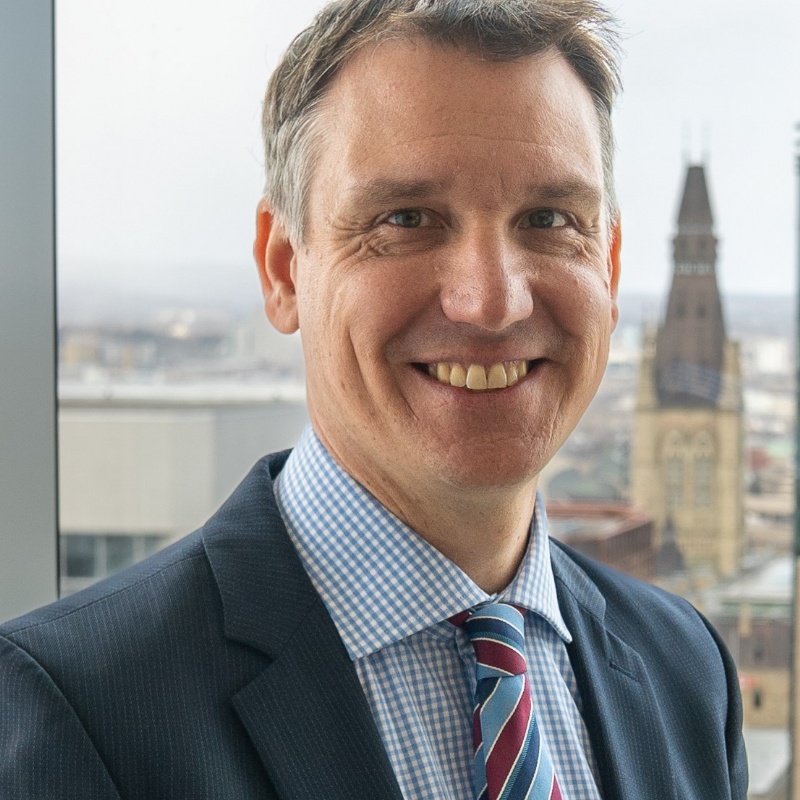
Senator Colin Deacon will deliver opening remarks on behalf of Canada’s Senate, sharing perspectives on innovation, economic opportunity, and the role of leadership in advancing climate solutions.

The climate transition is often framed as a challenge of reducing harm, lowering emissions, and adapting existing systems. But what if the larger opportunity is to build something fundamentally better? As a new generation of innovators, investors, and leaders reimagines the future economy, regeneration is emerging as a framework for creating systems that restore resilience, unlock new forms of value creation, and generate long-term prosperity. This conversation explores how innovation and capital can move beyond sustainability toward regeneration, and what it will take to help shape the next era of economic transformation.
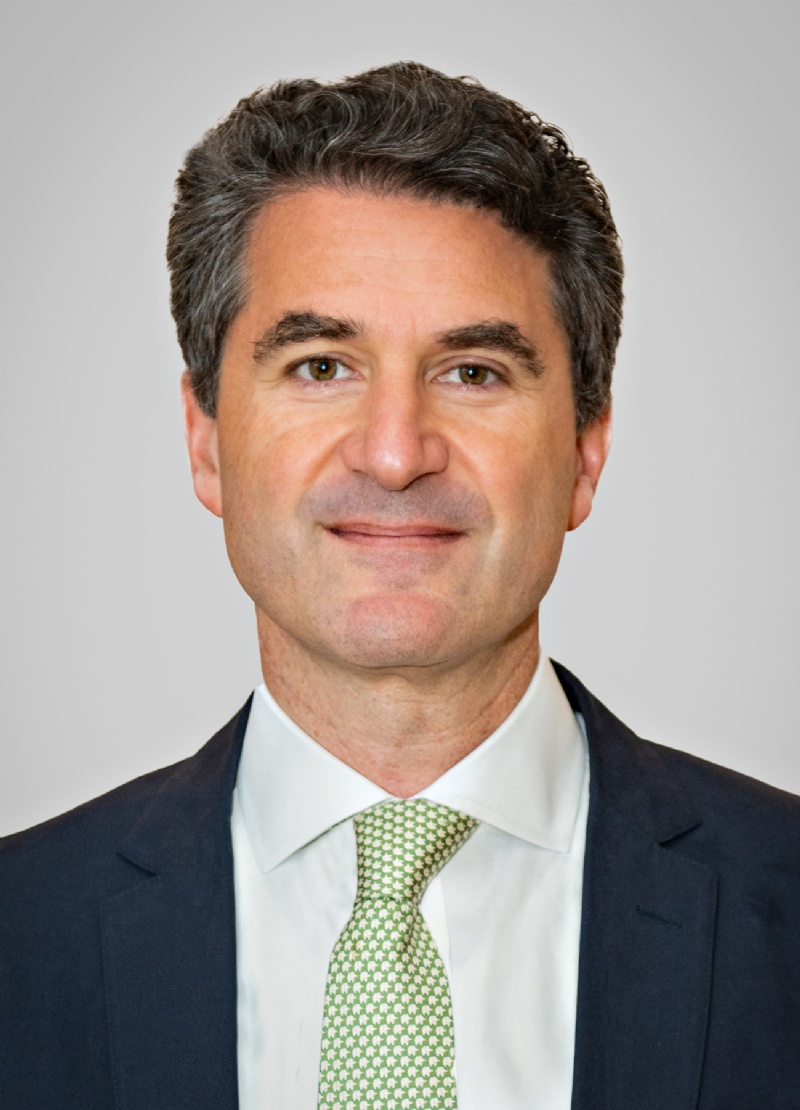

The climate transition has entered its defining phase: industrial transformation at scale. As energy systems, construction, manufacturing, aviation, water, and critical infrastructure come under growing pressure from climate disruption, electrification, AI, and geopolitical instability, the companies that power the global economy are being forced to fundamentally reinvent how the world is built and operated. This flagship conversation examines the technologies, partnerships, and bold decisions shaping the next era of industrial competitiveness and what it will truly take to deploy climate solutions at the speed and scale the moment demands. This is not a conversation about the future. It is a conversation about who is building it.




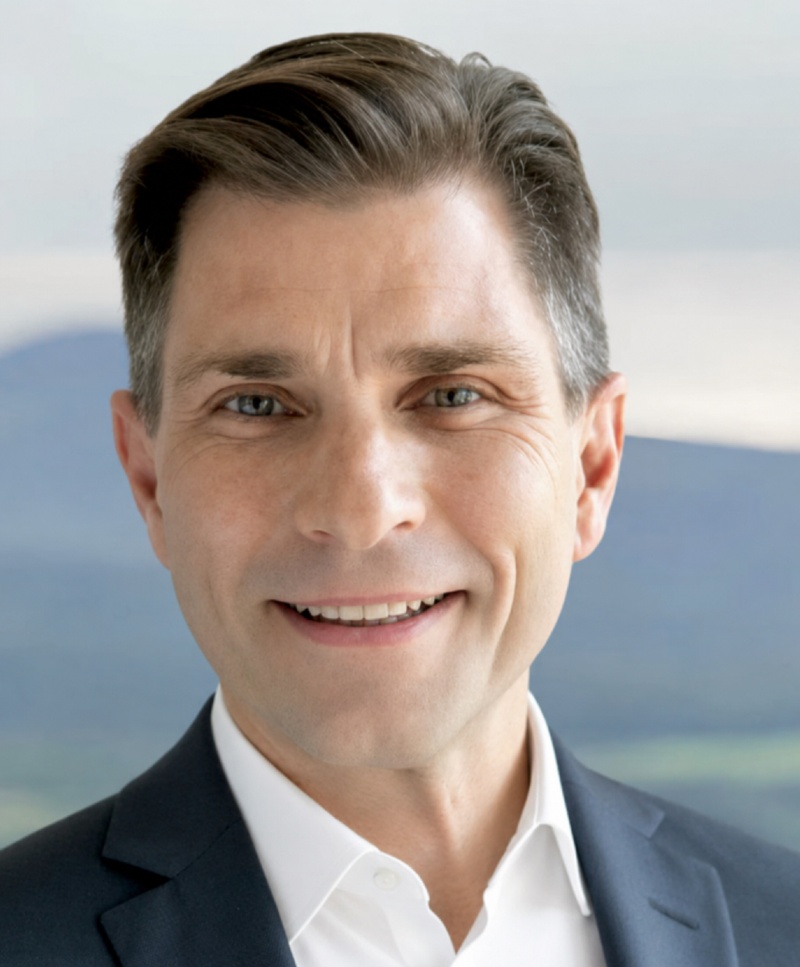
Artificial intelligence may become one of the century’s defining industrial forces, yet its trajectory will depend as much on energy, infrastructure, and capital as on algorithms. As demand accelerates, the real race is shifting to the power, resources, and low-carbon systems required to sustain it. Beneath the rapid ascent of AI lies a far more consequential question: who will finance, power, and govern the infrastructure underpinning the next era of intelligence. From rising energy intensity and geopolitical competition to the investment decisions reshaping global markets, the capital deployed in this decade may determine whether AI destabilizes planetary systems or drives climate resilience and industrial reinvention.


The defining industries of the 21st century will not be built by technology alone; they will be built by capital. As climate innovation enters an era of industrial scale up, investment decisions are increasingly shaping which solutions succeed, which markets emerge, and how quickly the global economy transforms. In this fireside conversation, they will explore the forces driving the next wave of climate innovation, where the greatest opportunities for value creation are emerging, and what it will take to build the companies and industries that define the climate century.


The climate economy is entering a far more decisive phase, one where ambition is no longer measured by vision alone, but by the ability to translate bold ideas into operational reality. As industries race to build the infrastructure of the transition, the defining challenge is shifting from innovation to execution at scale. The focus now turns to the operational, financial, and strategic realities of deploying climate solutions in increasingly complex global markets. From infrastructure and supply chains to scaling under pressure and driving measurable impact, this discussion considers what it truly takes to turn climate ambition into durable real-world change.


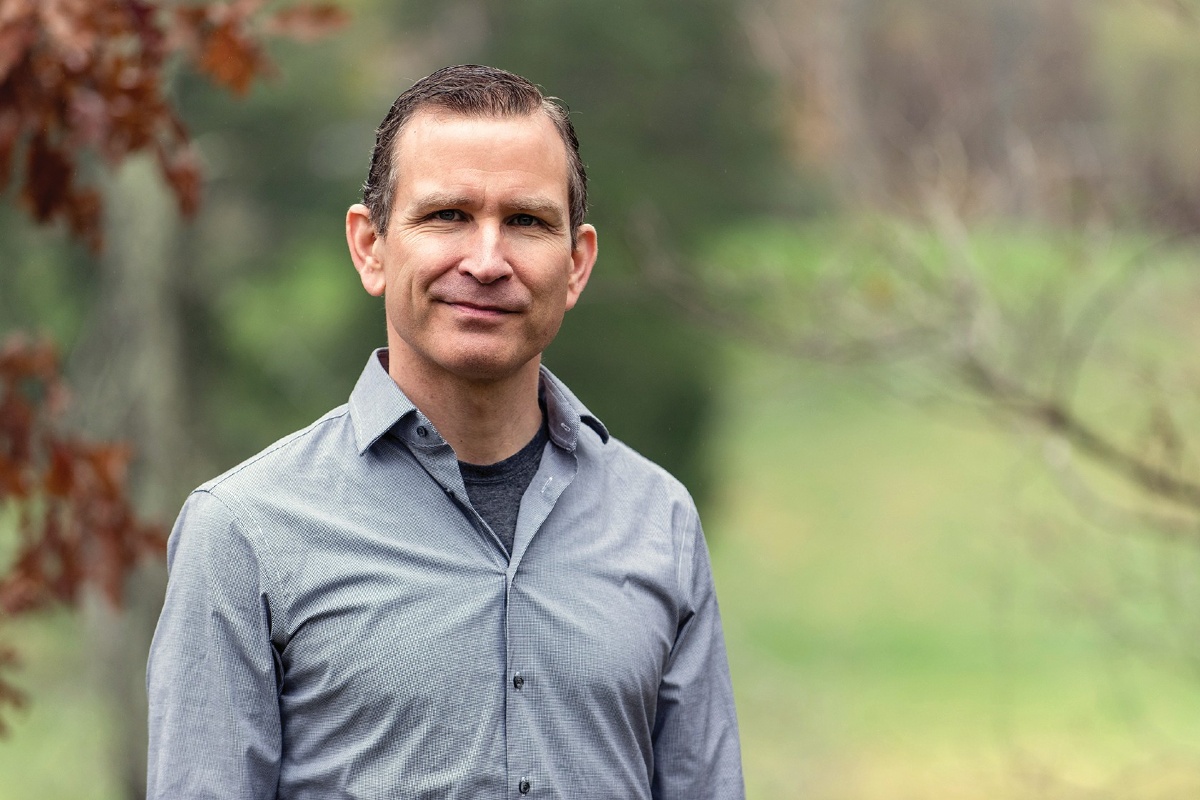
Water is rapidly emerging as one of the defining challenges of the century, shaping everything from energy and industry to economic resilience and global stability. This interview with Mark Fisher, one of Canada’s prominent water policy and fresh water governance leaders, delves into how innovation, infrastructure, and long-term thinking will be critical to securing a more sustainable future. From resource management and climate adaptation to the technologies transforming how water is valued and governed, the discussion examines why the future of resilience may ultimately depend on the future of water itself.




Water is rapidly emerging as one of the defining challenges of the century, shaping everything from energy and industry to economic resilience and global stability. This dialogue delves into how innovation, infrastructure, and long-term thinking will be critical to securing a more sustainable future. From resource management and climate adaptation to the technologies transforming how water is valued and governed, the discussion examines why the future of resilience may ultimately depend on the future of water itself.


Real climate progress begins where science, industry, and scale converge. This session looks at how emerging electrochemical and materials innovations can shift cement, lime, and other hard-to-abate sectors. It focuses on the pathways that turn early scientific insight into technologies capable of influencing global emissions. Central to the discussion is the relationship between the systems and industrial choices shaping the modern world and the frontier science poised to drive the next era of climate solutions. Drawing from work across electrochemistry, carbon removal, and industrial decarbonization, this perspective highlights where meaningful impact is most likely to emerge.


Rooted in both technological innovation and generations of ecological stewardship, a new approach to biodiversity monitoring is beginning to emerge. AI, remote sensing, and advanced data platforms are being integrated with local knowledge systems to build more credible, responsive, and place-based understandings of ecosystems. As pressure grows on governments, industries, and investors to better measure environmental risk and direct capital responsibly, the discussion highlights how the future of conservation may depend as much on data and collaboration as it does on the landscapes themselves.



Water is no longer only an environmental issue. It is rapidly becoming one of the defining economic and geopolitical forces of the century. This discussion takes a deeper look at the growing tension between water as a fundamental human right and as an increasingly valuable global asset. From the rise of the multi-trillion-dollar water economy to the risks of privatization, resource inequality, and infrastructure strain, the discussion examines how investment, policy, and governance can align financial incentives with equitable and sustainable water stewardship in an era defined by scarcity.

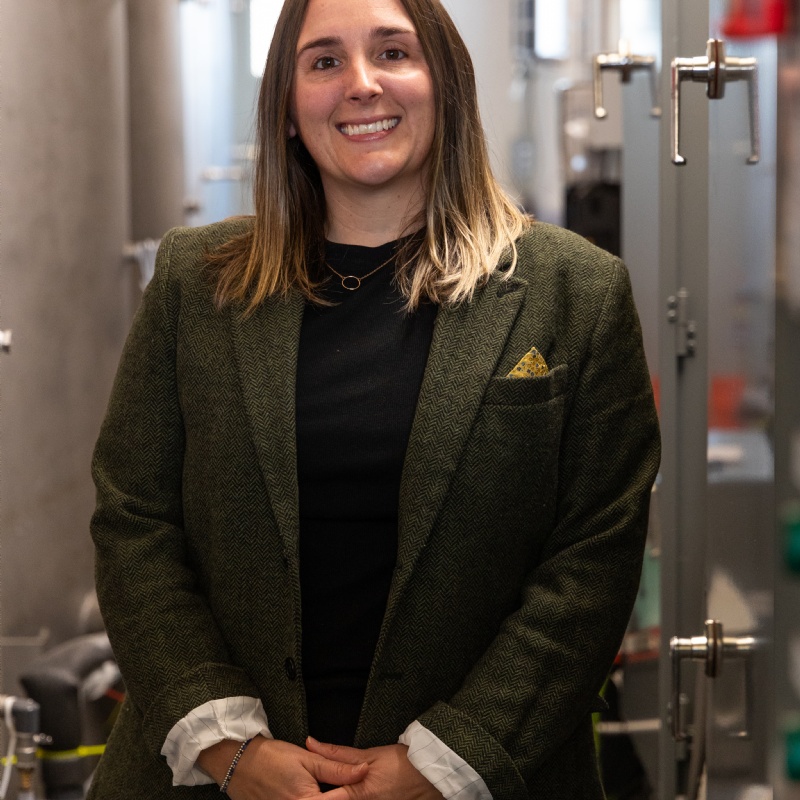
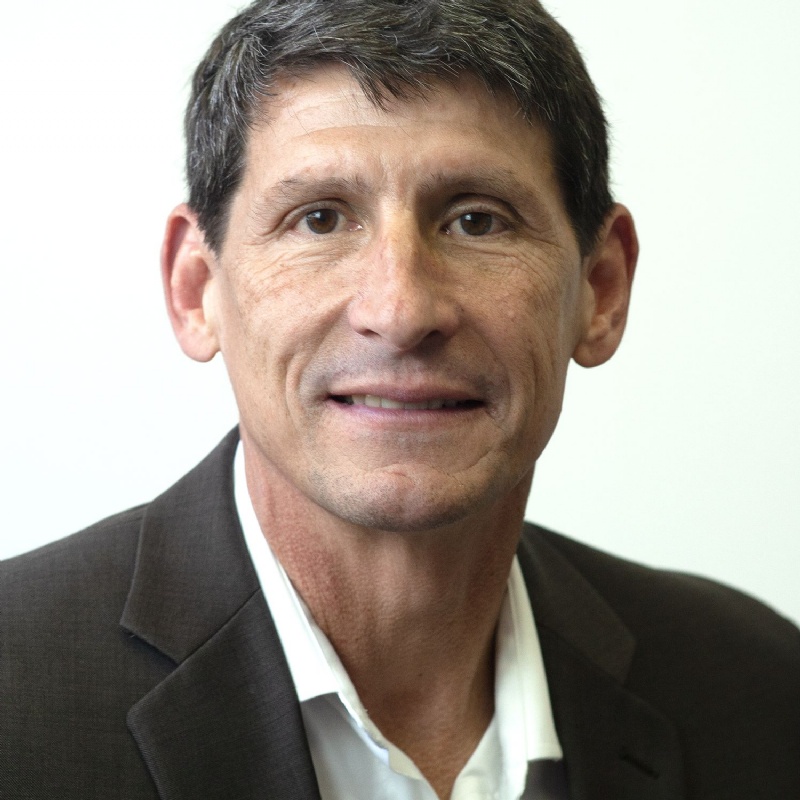
Artificial intelligence is advancing at extraordinary speed, but the infrastructure powering it is under growing strain. As AI drives unprecedented demand for electricity, water, cooling, and raw materials, urgent questions emerge around energy security, climate commitments, and sustainable growth. This discussion explores what it will take for AI to scale responsibly and whether the next generation of data centres could evolve from resource-intensive necessities into drivers of a cleaner, more resilient energy future.




As climate pressures intensify and freshwater systems face growing strain, the search for alternative solutions is becoming increasingly urgent. At the center of this exchange is the growing recognition that water systems may play a far greater role in climate resilience, carbon mitigation, and long-term environmental adaptation than previously understood. As reliance on traditional freshwater resources becomes increasingly unsustainable, the conversation reflects on the promise and complexity of emerging approaches, as well as the collaboration, investment, and stewardship required to scale new solutions responsibly in a rapidly changing climate.

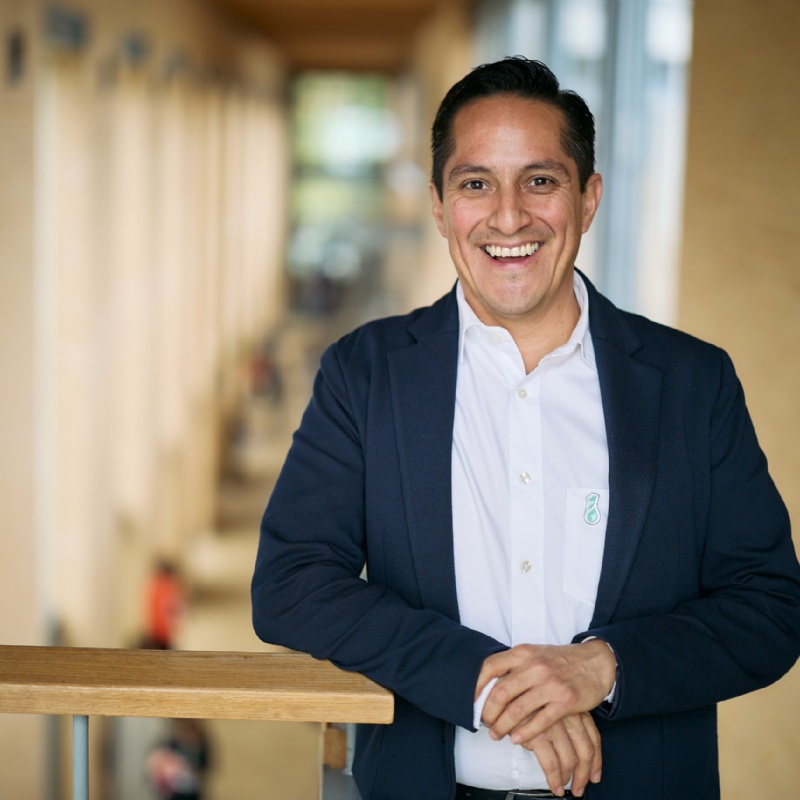

Wildfire is no longer emerging as an occasional natural disaster, but as a defining condition of a warming world. Across North America, decades of fire suppression, climate change, and expanding development in high-risk landscapes have fundamentally reshaped the relationship between communities and fire, pushing existing systems of response toward their limits. This feature examines the growing shift from reactive emergency response toward long-term prevention, resilience, and adaptation. From AI-driven risk modelling and predictive technologies to vegetation management and landscape restoration, the focus is turning toward how societies can coexist with fire before catastrophe becomes inevitable.
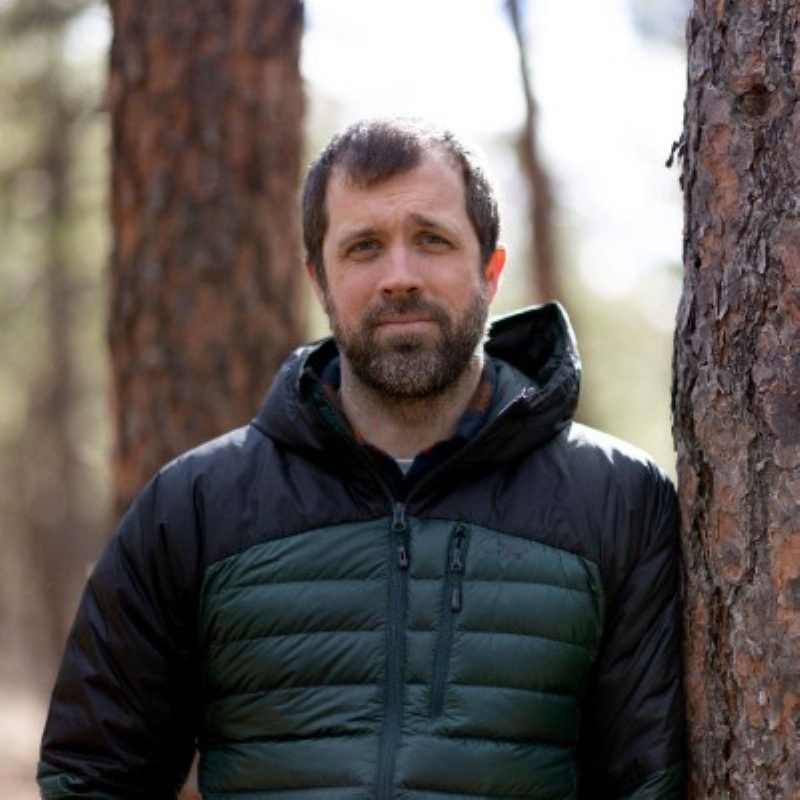




Energy sovereignty is reshaping global priorities as nations weigh independence against the realities of a deeply interconnected system, while green hydrogen emerges as a strategic tool for heavy shipping and long‑haul transport. At the same time, shortages of transformers and essential equipment slow the transition and raise urgent questions about how to attract private capital into strained supply chains. Oil and gas price volatility now influences alliances and market behavior, and the environmental consequences of conflict add pressure to an already fragile landscape. Guided by leaders in energy systems, investment, and geopolitical strategy, the conversation traces how these forces are redefining the global energy map and the balance of power within it.





As nature-based solutions move from the margins toward the center of climate strategy, investors are increasingly asking whether ecosystems themselves may represent a new frontier for capital deployment. Emerging opportunities across biodiversity, natural systems, and regenerative models are beginning to reshape how climate investment is evaluated and deployed. From new financing approaches to long-term value creation, the conversation points toward an investment future where ecological resilience and economic returns increasingly move together.





Artificial intelligence is reshaping industries and economies, and it is simultaneously transforming the systems that manage one of the world’s most essential resources: water. This in-depth exchange looks at how AI and digital technologies are improving efficiency, reducing costs, and addressing labour shortages across water infrastructure, while also confronting a growing paradox: the AI revolution itself depends heavily on water. With this connection intensifying, the conversation reflects on the environmental pressures, governance challenges, and long-term implications emerging at the intersection of digital intelligence and finite resources.




The future of energy will not be singular, a new energy paradigm is emerging. As the limits of today’s energy systems become increasingly clear, a new race is underway. Beyond wind and solar, geothermal, fusion, and advanced nuclear are emerging as some of the most ambitious contenders to deliver abundant, reliable, carbon-free power at scale. Bringing together leaders at the forefront of these technologies, this conversation confronts the question of which breakthroughs are closest to reality, what barriers still stand in the way, and which innovations could ultimately redefine how the world is powered in the decades ahead.